Tears at the Door: A Practical Guide to Easing Morning Goodbyes at Infant Care

Picture a weekday morning. Your baby has just been fed and changed, the bag is by the door, and the moment you step toward the Tampines infant care center, the whimpering begins. By the time you hand them over, there are full tears, and you walk away with a heavy heart.
Many parents go through this, and almost all of them wonder the same thing: Am I doing something wrong? You are not. A baby who cries at goodbyes is usually a baby who has formed a strong bond with you, and that bond is exactly what helps them grow.
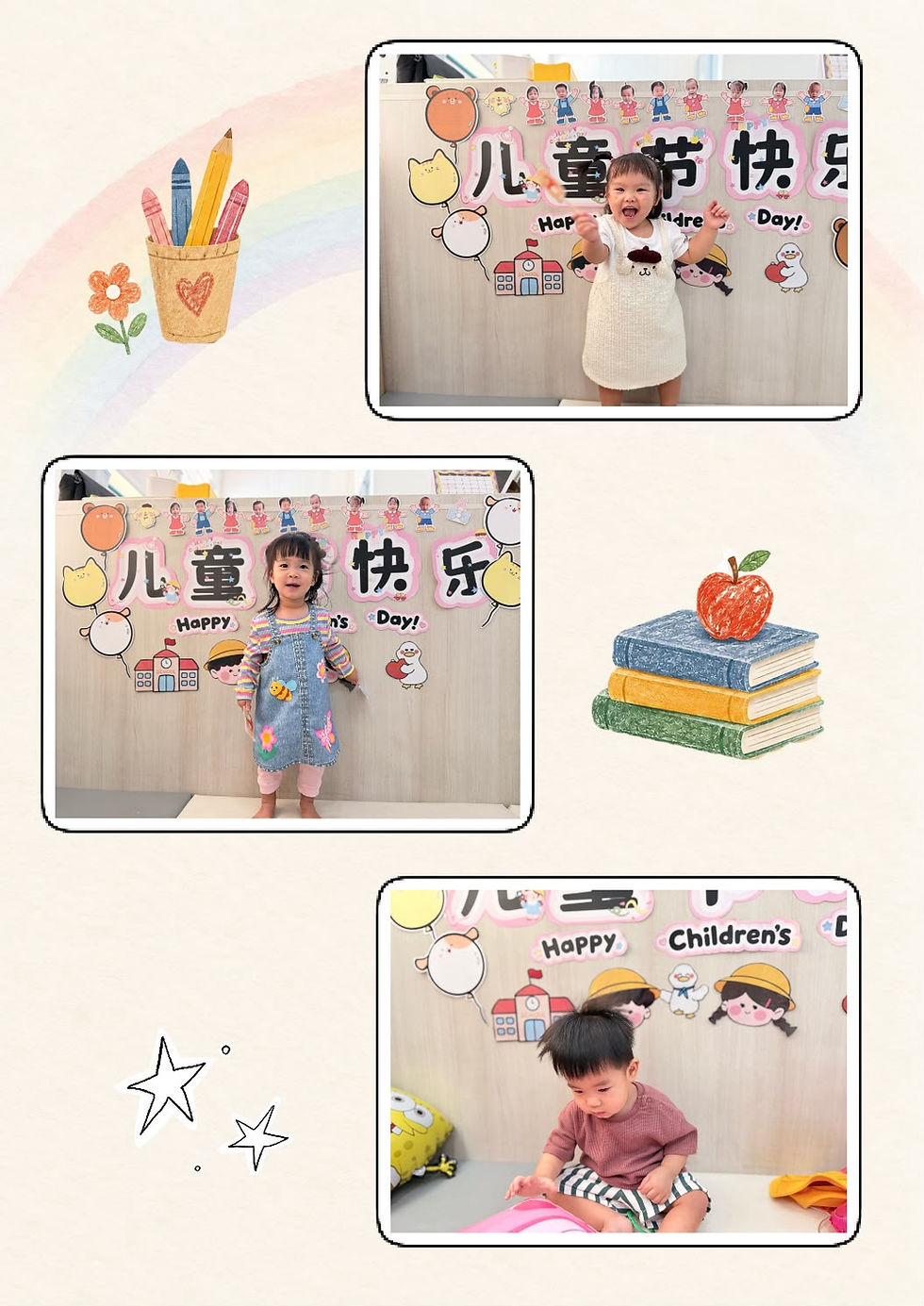
Fun-filled moments at Tampines infant care.
In Brief
Babies and toddlers who cry at morning drop-off are usually reacting to separation, not to the infant care center itself. The most helpful response is a calm, loving and predictable goodbye, a steady daily rhythm, and open sharing between you and your child's caregivers. Most little ones ease into the routine within a few weeks. If the distress deepens, lingers, or appears alongside changes in feeding, sleep or mood, bring it up with your child's caregivers and your doctor.
What Is Going On Inside Your Little One?
Crying at drop-off can look dramatic, but it usually has simple roots.
Growing awareness of you. Around the second half of the first year, babies begin to understand that you exist even when you are out of sight. The flip side is that they now notice when you are gone, and they let you know about it.
A strong need for familiar faces. Infants feel safest with the people they know best. Handing them to someone newer, even a kind and capable caregiver, takes time to feel comfortable.
Sensitivity to our mood. Babies read our faces and tone of voice with surprising accuracy. If we are anxious or hurried, they may absorb that tension and mirror it.
Disrupted body rhythms. Teething, a growth spurt, a poor night, or a missed morning feed can all make a baby more fragile at the very moment of separation.
Changes in the household. Travel, visitors, a change in who looks after them on weekends, or a shift in parents' schedules can unsettle a child's sense of security.
Still getting to know the room. New smells, sounds and routines take time to become familiar, especially for babies who are just starting out in group care.
Gentle Ways to Make Mornings Easier
Start the day slowly
Wake your baby a little earlier if you need to, so feeding, changing and dressing do not feel like a race. A relaxed home morning sets the tone for a calmer handover.
Hand over with warmth, not worry
Take a breath before you walk in. Smile, speak softly, and let your baby see you trust their caregiver. Infants often take their emotional cue from the adult holding them.
Make a goodbye signature
Choose one small gesture, such as a kiss on the forehead, a gentle pat, or a favorite phrase like "Mama's coming back soon." Use it every single day. Repetition becomes reassurance.
Say goodbye, then actually go
Resist the urge to return for one more cuddle. Lingering tends to stretch out the distress. A clear, loving goodbye followed by a confident exit helps your baby adjust sooner.
Never disappear without a word
Even with very young babies, slipping away unseen can make them more watchful and clingy the next day. A short, honest goodbye builds trust over time.
Send something familiar
A lightly worn shirt that smells like you, a small blanket, or a safe comfort item (confirm with the caregivers what is allowed) can offer a little piece of home.
Share the morning story
Let the caregivers know how the night went, when your baby last ate, whether teething is troubling them, or if anything felt different. This helps them adjust the day to your child's needs.
Ask for a settling update
Many parents feel better after a quick message or conversation about how their baby calmed down. Hearing that the tears faded within minutes can lift a huge weight.
Be consistent about pick-up
Arrive when you said you would, and keep the reunion warm. Each happy return teaches your baby that goodbyes are never forever.
A Simple Drop-Off Flow to Try
Reach the center with a few spare minutes.
Settle your baby's belongings and share any quick notes.
Greet the caregiver with a calm, friendly tone.
Offer your usual goodbye gesture.
Walk out with confidence, without looking back repeatedly.
Reach out later if you want an update.
How Long Do Morning Tears Usually Last?
Every baby is different, but this guide may help you set expectations.
What is happening | What many families see |
First weeks in infant care | Ups and downs while your baby learns the new routine |
Return after sickness or a long break | A few days to two weeks of fresh clinginess |
Big family change | May take longer, with more comfort needed |
Calm baby who suddenly becomes upset | A good moment to talk with caregivers about possible causes |
Settling rarely moves in a straight line. A great week followed by a difficult morning is completely normal.
When to Seek Extra Support
Morning fussiness is common.
Reach out to your child's caregivers, and consider a doctor's visit, if you notice:
Distress that keeps growing instead of softening over several weeks
A sudden shift after a long stretch of settled mornings
Changes in feeding, sleep, or toileting patterns
Persistent tummy complaints or unusual tiredness
Marked withdrawal, flat mood, or an unusually fearful reaction to certain moments
Caregivers see your child throughout the day and can describe what happens after you leave, which often brings both clarity and comfort.
Making It Work for Tampines Families
Life in Tampines often means shared childcare duties, busy commutes and tight morning schedules.
Some ideas that fit local routines:
Give yourself breathing room. Whether you travel by MRT, bus or car, a few extra minutes can prevent a tense start to the day.
Keep the goodbye the same across caregivers. If grandparents or helpers handle some drop-offs, share your goodbye gesture so your baby recognizes it.
Use weekends for gentle familiarity. Chat about the "baby friends" and caregivers, or simply keep weekend routines close to weekday ones.
Guard sleep time. Hot nights and late evenings can interrupt rest. A cool, quiet bedroom and consistent bedtime help babies face the morning more calmly.
How Nurture Infant House Welcomes Babies and Families
At Nurture Infant House in Tampines, we know how heavy a morning goodbye can feel.
Our caregivers aim to make each arrival gentle and reassuring by:
Greeting every baby and parent with warmth
Keeping days predictable, so little ones learn what comes next
Talking openly with families about feeding, sleep, mood and milestones
Giving extra time and cuddles to babies who need a slower start
You are always welcome to visit, meet our caregivers and see how our babies spend their day.
Questions Parents Often Ask
Is it normal for my baby to cry at infant care drop-off?
Yes. Crying at separation is a common sign of attachment, and it often eases as your baby grows used to the routine and the people around them.
Will lingering help my baby calm down?
Usually it does the opposite. A warm but brief goodbye tends to be easier for babies than a long, emotional one. If you want reassurance, ask for an update afterwards.
How can I tell if my baby is fine after I leave?
Ask the caregivers. Many babies settle soon after parents leave and go on to enjoy their day. Hearing this first-hand can ease your worry.
Should I skip infant care on tearful days?
Regular attendance helps babies learn the routine. Rest days for illness are completely fine, but frequently staying home can slow the settling process. Discuss any concerns with the caregivers.
My baby was happy before. Why the sudden tears?
Phases of clinginess often follow teething, illness, travel or family changes. Look for recent triggers, keep routines steady, and check in with the caregivers.
What should I say when I leave?
Keep it short and loving: "I'm going to work now. I'll see you after your nap." Even if your baby cannot understand every word, your calm tone and the consistent phrase are comforting.
Can grandparents or helpers do drop-off?
Yes, as long as the routine stays similar. Share your goodbye gesture and phrase so your baby experiences the same pattern each time.
When should I speak to a professional?
If distress intensifies, lasts for many weeks, or comes with changes in feeding, sleep or behavior, speak with your child's caregivers and your doctor.
A Closing Thought
Those morning tears are hard on everyone, but they usually say something reassuring: your baby feels safe enough with you to protest when you leave. With patience, steady routines and a caring partnership between home and center, goodbyes tend to get lighter with time.
If you are searching for an Tampines infant care where your baby will be welcomed with kindness and patience, we would be glad to meet you. Contact Nurture Infant House to arrange a visit.
Nurture Infant House (2 to 18 months Infants)
Blk 433 Tampines Street 43 #01-61 S(520433) - Since 2011