
When I Was Younger – Mirror Craft: A Creative Journey Through Reflection and Growth
- Jennifer Mendoza
- Apr 8
- 5 min read

Childhood is often filled with simple yet meaningful activities that leave lasting impressions. Among these, craft projects stand out as powerful tools for creativity, self-expression, and early learning. One particularly memorable and engaging activity is mirror craft—a delightful experience that combines imagination, reflection, and hands-on exploration. When I was younger, mirror craft was more than just an art project; it was a moment of discovery, where creativity met curiosity.
Today, activities like mirror craft continue to play an important role in early childhood development, especially in nurturing environments such as Tampines infant care, Tampines child care, Tampines preschool, and Tampines nursery settings. These spaces understand that even the simplest craft can spark meaningful learning experiences.

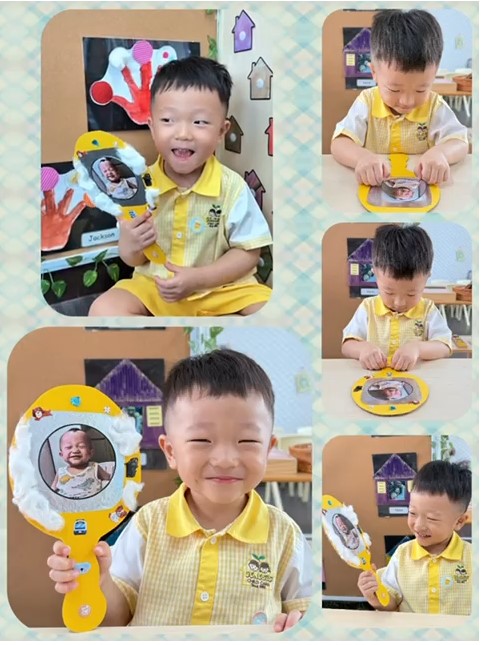
The Magic of Mirror Craft in Childhood
When I first encountered mirror craft as a child, it felt like stepping into a world where imagination came alive. Using small mirrors, colored paper, glue, and decorative materials, we created designs that reflected not just light, but our personalities. Watching shapes and colors multiply through reflections was fascinating—it made every creation feel magical and unique.
Mirror craft is especially captivating for young children because it introduces them to visual effects in a playful way. The reflective surface adds a dynamic element that changes depending on angles, lighting, and movement. This naturally encourages children to explore, experiment, and observe.
In environments like Tampines infant care and Tampines nursery, such activities are thoughtfully introduced to support sensory development. Babies and toddlers are naturally drawn to reflections, making mirror-based play both engaging and developmentally beneficial.
Encouraging Creativity Through Hands-On Learning
One of the most valuable aspects of mirror craft is how it promotes creativity without limitations. There are no strict rules—children are free to design patterns, choose colors, and arrange materials in their own way. This freedom allows them to express their individuality from a young age.
In Tampines child care and Tampines preschool settings, educators often incorporate craft activities like these to encourage open-ended learning. Instead of focusing on perfection, the emphasis is on exploration and process. Children learn to make decisions, experiment with ideas, and build confidence in their abilities.
Mirror craft also helps develop fine motor skills. Cutting paper, placing small decorative items, and applying glue require coordination and control. These small actions contribute to stronger hand muscles and better dexterity, which are essential for writing and other daily tasks.
A Lesson in Reflection and Self-Awareness
Beyond creativity, mirror craft introduces children to the concept of reflection—both literally and figuratively. Seeing their own reflection while working on a project can spark curiosity about identity and self-awareness.
When I was younger, I remember holding my craft piece and noticing how my reflection became part of the artwork. It made me feel connected to what I was creating. This simple interaction can be powerful for young minds, helping them recognize themselves and build a sense of identity.
In Tampines preschool and Tampines nursery environments, activities like this are gently guided to support emotional and social development. Children begin to understand themselves as individuals while also learning to appreciate the work of others.
Building Focus and Patience
Mirror craft may seem simple, but it requires concentration and patience. Aligning pieces, waiting for glue to dry, and carefully placing decorations all encourage children to slow down and focus on the task at hand.
For young learners, developing attention span is an important milestone. Activities like mirror craft provide a structured yet enjoyable way to practice staying engaged. In Tampines child care settings, educators often use such projects to help children build persistence and resilience.
Completing a craft also brings a sense of accomplishment. Holding a finished piece, especially one that reflects light and color so beautifully, gives children a tangible reward for their effort.
Social Interaction and Collaboration
While mirror craft can be an individual activity, it also creates opportunities for collaboration. Children often share materials, exchange ideas, and admire each other’s creations. These interactions help develop communication and social skills.
I still remember sitting alongside classmates, comparing designs and helping each other with small details. It wasn’t just about the craft—it was about connection and shared experiences.
In Tampines infant care and Tampines preschool environments, group activities like these are carefully facilitated to encourage teamwork. Children learn to take turns, express themselves, and respect others’ ideas.
Sensory Exploration and Visual Stimulation
Mirror craft is rich in sensory experiences. The combination of textures, colors, and reflective surfaces stimulates multiple senses at once. For younger children, especially those in Tampines nursery and Tampines infant care, this kind of stimulation is essential for brain development.
The reflective quality of mirrors enhances visual perception. Children observe how light interacts with surfaces, how images change with movement, and how patterns repeat. These observations lay the foundation for early understanding of concepts like symmetry and spatial awareness.
Bringing Memories Into Modern Learning
Looking back, mirror craft may seem like a simple childhood activity, but its impact goes far beyond the moment. It teaches creativity, patience, self-expression, and observation—all through play.
Today, in places like Tampines child care and Tampines preschool, these timeless activities are thoughtfully integrated into modern learning approaches. The goal is not just to keep children engaged, but to provide meaningful experiences that support holistic development.
Mirror craft remains relevant because it aligns perfectly with how young children learn best—through hands-on exploration, curiosity, and creativity.
Creating a Supportive Environment for Growth
The environment in which children learn plays a crucial role in how they experience activities like mirror craft. A nurturing space encourages them to explore freely, make mistakes, and discover new ideas.
In Tampines infant care, Tampines nursery, Tampines child care, and Tampines preschool settings, the focus is on creating a balanced environment where learning feels natural and enjoyable. Activities are designed to be age-appropriate, engaging, and developmentally meaningful.
Mirror craft fits seamlessly into this approach. It’s simple enough for young children to participate in, yet versatile enough to offer different levels of challenge as they grow.
The Role of Nurture Infant House
Nurture Infant House provides an environment where activities like mirror craft become more than just play—they become opportunities for growth. With a focus on early childhood development, children are introduced to creative experiences that support their physical, emotional, and cognitive development.
In a setting aligned with Tampines infant care and Tampines nursery principles, children are encouraged to explore their surroundings through guided activities and free play. Mirror craft, along with other creative projects, helps build a strong foundation for lifelong learning.
As children transition into Tampines child care and Tampines preschool stages, these early experiences continue to influence their confidence, creativity, and curiosity.
A Lasting Impression
When I think back to my childhood, it’s not the complex lessons that stand out—it’s the simple, meaningful moments like creating mirror crafts. The joy of seeing colors reflect, the excitement of completing a project, and the sense of pride in something made with my own hands are memories that remain vivid.
These experiences remind us that learning doesn’t always come from structured lessons. Sometimes, it comes from play, creativity, and exploration.
Mirror craft is a perfect example of how a simple activity can leave a lasting impact. In nurturing environments such as Tampines infant care, Tampines child care, Tampines preschool, and Tampines nursery, these moments continue to shape young minds in meaningful ways.
Final Thoughts
Mirror craft is more than just an art activity—it’s a gateway to creativity, self-discovery, and early learning. It encourages children to explore, express, and connect with the world around them.
Through supportive environments like Nurture Infant House, children are given the opportunity to experience these moments in a meaningful way. With a focus on creativity and development, activities like mirror craft continue to inspire young learners and create memories that last a lifetime.
Nurture Infant House (2 to 18 months Infants)
Blk 433 Tampines Street 43 #01-61 S(520433) - Since 2011
Opening hours: Monday to Friday (7am to 7pm)


